
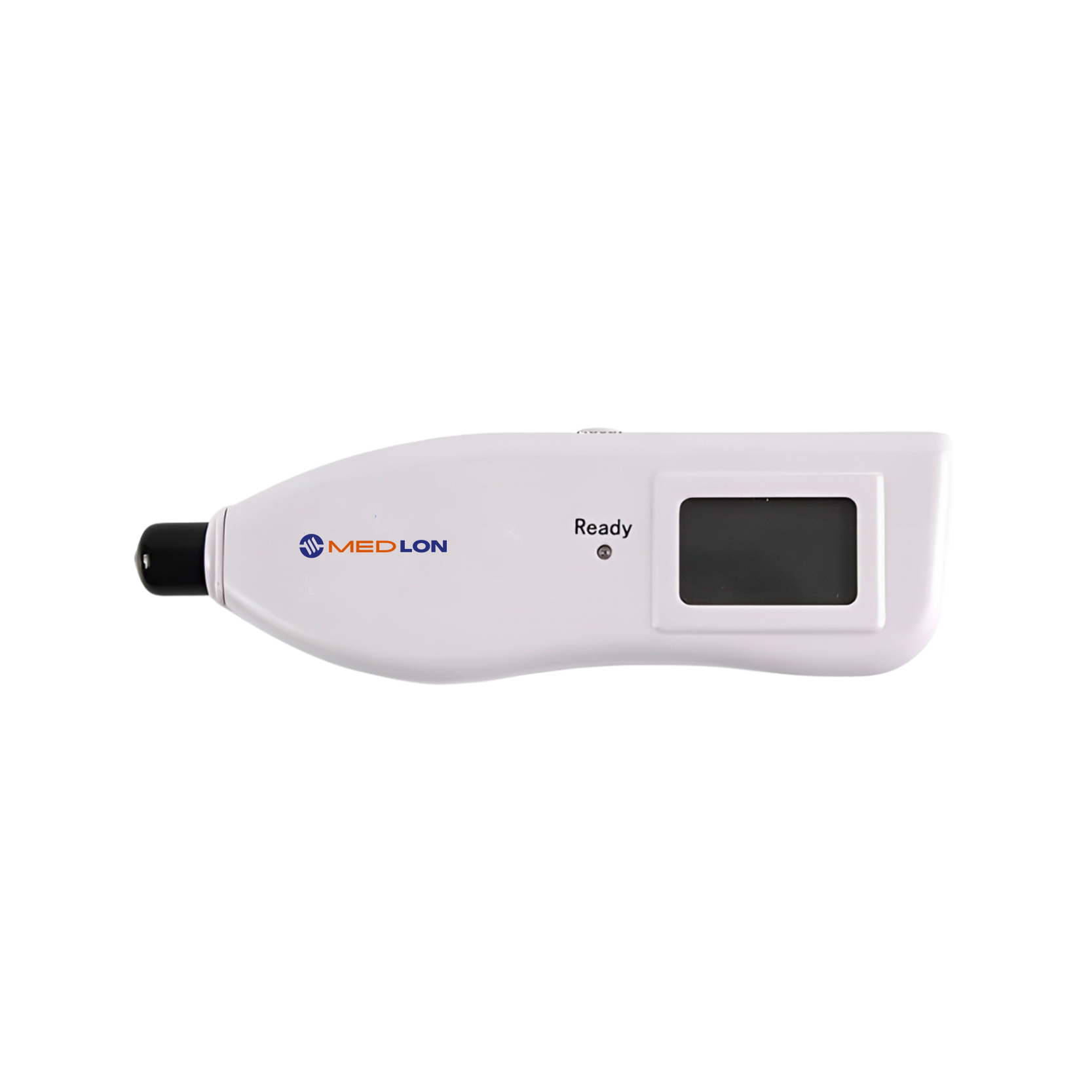
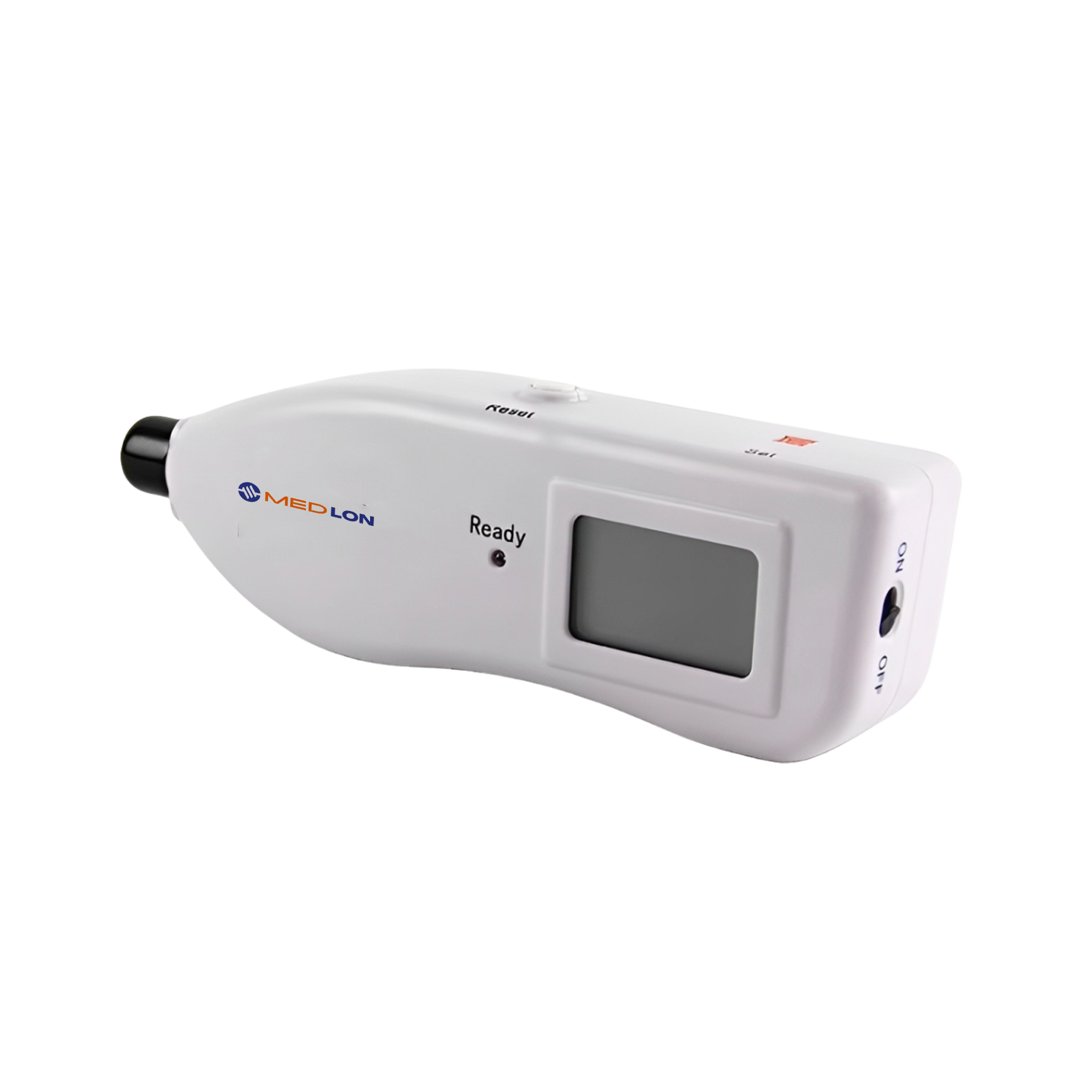
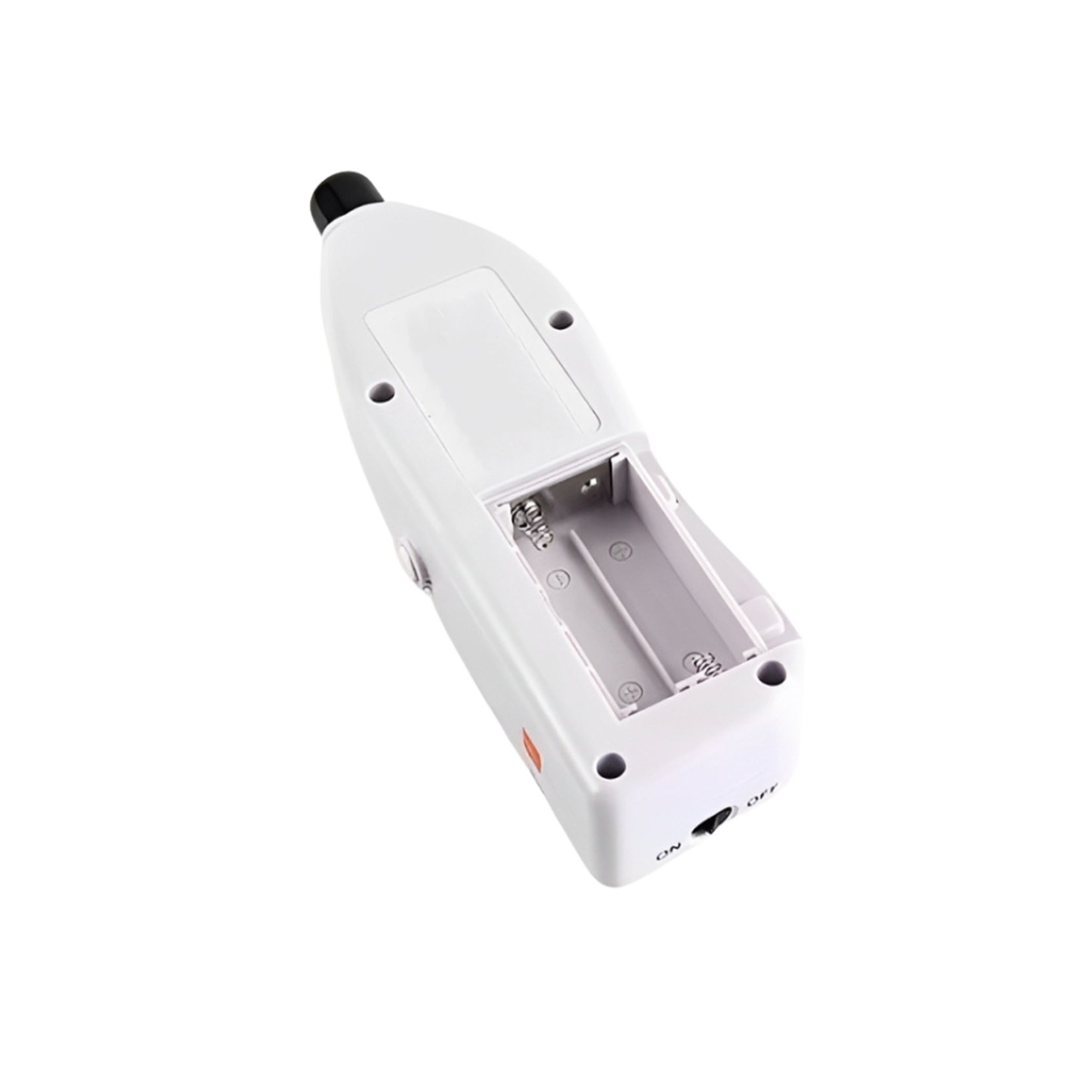
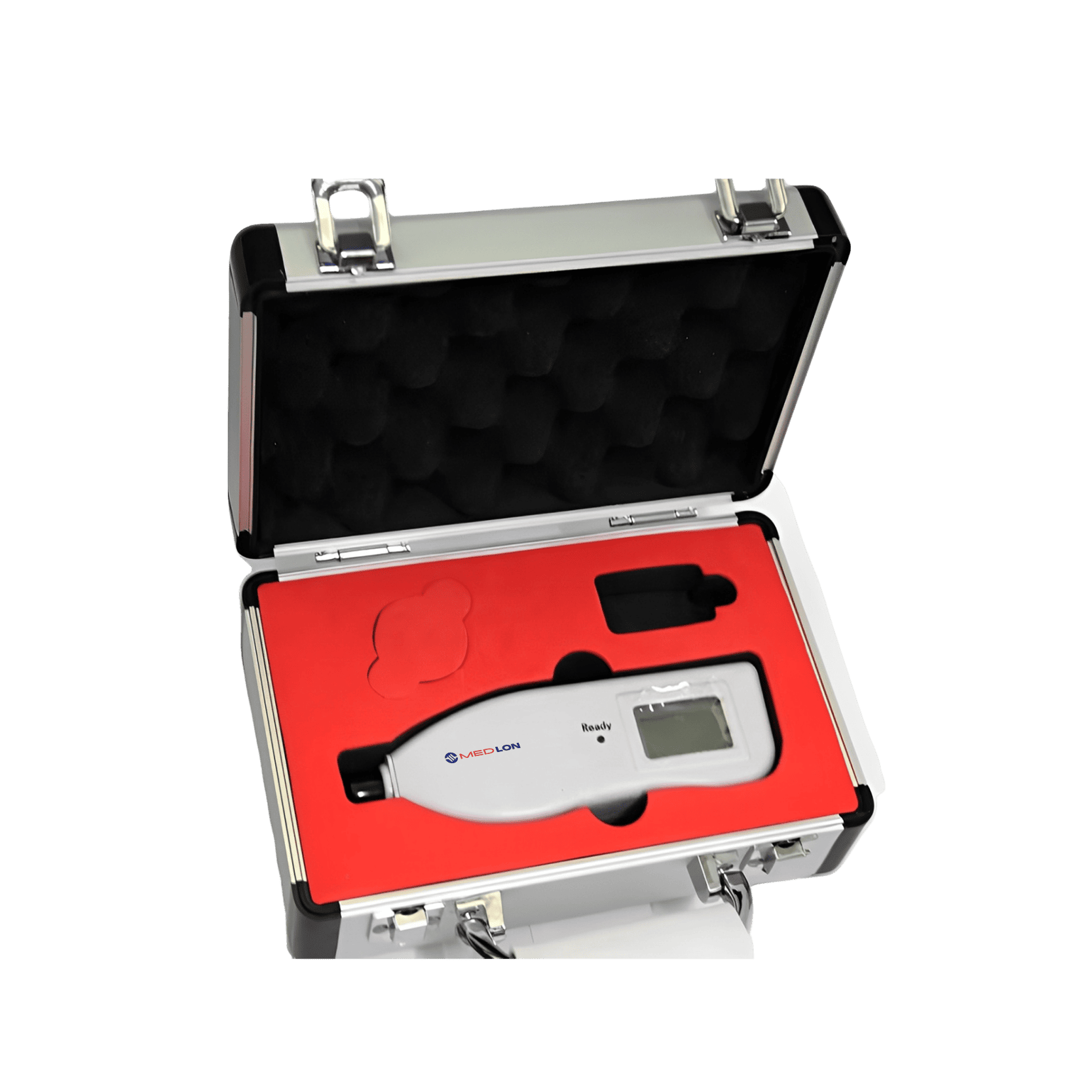
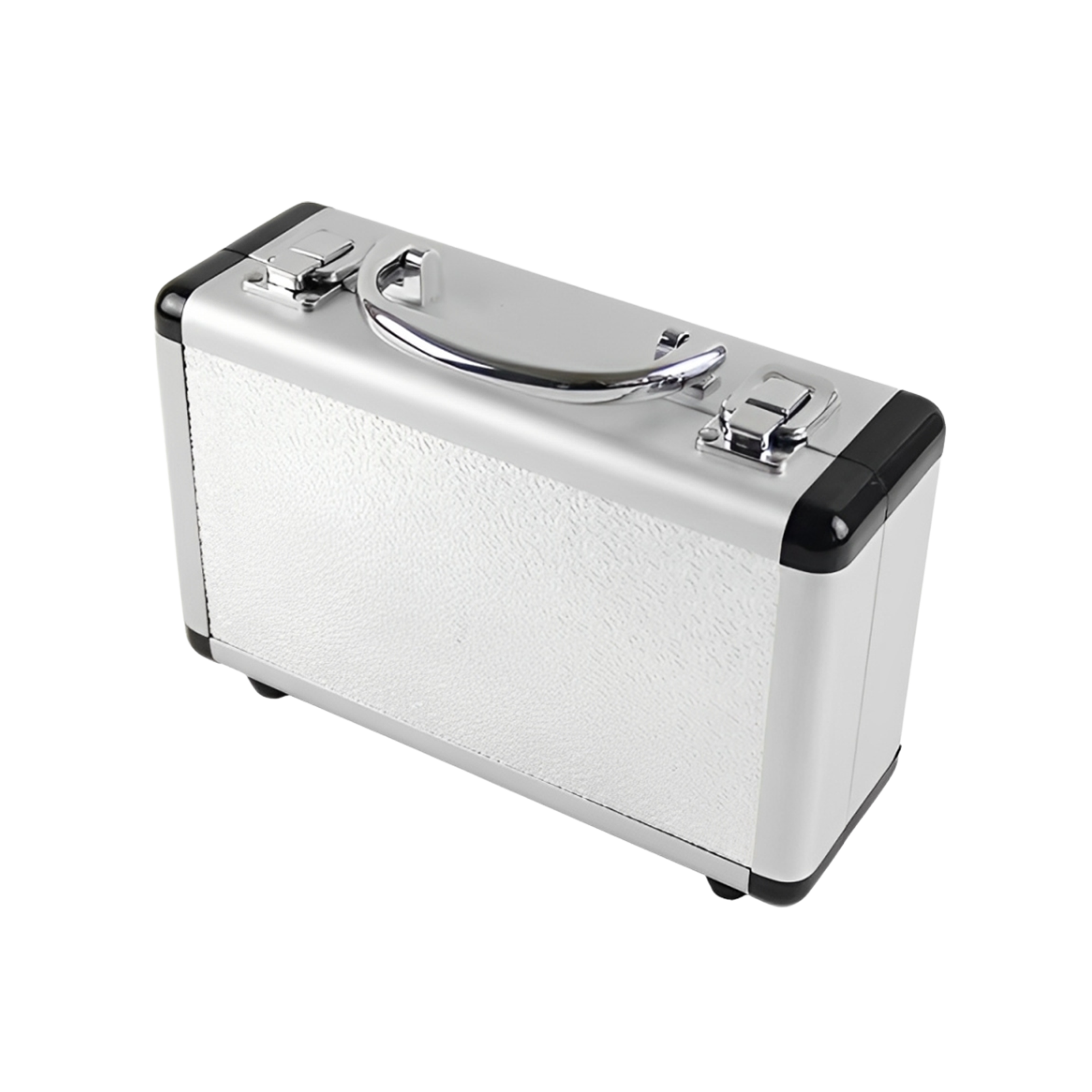
Bilirubinometer MBLM-701 provides an instant estimate of serum bilirubin levels, measured in mg/dL, with a range of 0.0mg/dL to 30.0mg/dL and a high level of accuracy. With a preparation time of less than 12 seconds, it ensures rapid assessments, storing up to 20 recent measurements for easy reference. It is equipped with an LCD display that shows three-figure readings, operates on two AA batteries and includes a green indicator light signaling readiness. Additionally, its low re-examination rate enhances reliability in neonatal jaundice management, making it a valuable tool for healthcare professionals.
| Display | LCD, 3 Digits |
| Power Source | 2 × AA 1.5V batteries |
| Ready Indicator Light | Green |
| Measurement Range | 0.0 mg/dL to 30.0 mg/dL |
| Measurement Accuracy | Low: ±1.0 mg/dL (±17 μmol/L) Rest: ±1.5 mg/dL (±25.5 μmol/L) |
| Preparation Time | Less than 12 seconds |
| Record Function | Memory for 20 Latest Measurements Circular Review of Data |
| Re-examination Rate | Less than 10% |
Our Bilirubinometer MBLM-701 is an advanced, non-invasive device designed to accurately measure bilirubin levels in neonates, aiding in the effective management of neonatal jaundice.
Our Bilirubinometer MBLM-701 is an advanced, non-invasive device designed to accurately measure bilirubin levels in neonates, aiding in the effective management of neonatal jaundice.
Consult Our Experts
Frequently Asked questions
What type of display does the Medlon Bilirubin Meter have?
The device features a clear LCD screen with 3-digit readings, making bilirubin levels easy to read and interpret.
How accurate is the Medlon Bilirubin Meter?
For low bilirubin levels: ±1.0 mg/dL (±17 ?mol/L) For other levels: ±1.5 mg/dL (±25.5 ?mol/L) This high level of accuracy helps reduce the need for repeated measurements.
What power source does the device use?
It operates on 2 × AA 1.5V batteries, making it convenient for both hospital and field use.
How does the device indicate it’s ready for use?
A green indicator light signals when the device is ready to perform a measurement.
How long does it take to prepare for a reading?
The device is ready in less than 12 seconds, allowing for quick and efficient operation.
Can this bilirubin meter store previous results?
Yes, it features a memory function that stores the last 20 measurements and allows circular review of data, making it easy to track trends over time.
Is this device non-invasive?
Yes, the Medlon Bilirubin Meter uses a non-invasive technique for bilirubin level assessment, making it safe and stress-free for newborns.
Who are the primary users of this bilirubin meter?
The device is used by pediatricians, neonatologists, nurses, and other professionals involved in newborn care and jaundice screening.
What is the memory capacity of the device?
Bilirubinometer can store several recent measurements, ensuring that healthcare providers can track changes and trends easily.
What type of battery or power source does it use?
Our bilirubinometer typically operates on rechargeable or replaceable batteries, offering portability and ease of use in various healthcare settings.
What environments are best suited for using this device?
Ideal for use in NICUs, maternity wards, pediatric clinics, and home healthcare visits, especially where rapid, non-invasive testing is essential.
Is the bilirubinometer safe for newborns?
Yes, the bilirubinometer is designed for non-invasive testing, making it completely safe for newborns without causing discomfort.
How does the device ensure accuracy?
Bilirubinometers use high-precision optical sensors and algorithms designed to minimize external interference, ensuring reliable readings.